
From Design to Delivery: Launching a Community-Led Grocery Rideshare in South Memphis
UncategorizedIn 2025, Knowledge Quest and Innovate Memphis partnered with South Memphis residents to tackle a long-standing issue of food insecurity in areas with few to no full-service grocery stores or healthy food options nearby. We started by facilitating a series of community design sessions where residents identified key root causes, brainstormed ideas, and designed their top-priority solutions.

Not surprisingly, one of the biggest barriers to food access that residents identified was transportation. In many parts of the 38126 zip code where most participants are from, families are at least 3 miles away from a full-service grocery store, and over 25% of residents don’t have reliable access to a vehicle. Knowledge Quest has made progress on this problem by establishing the Green Leaf Farm and Café in the community, but residents also wanted to improve transportation to get to full-service grocery stores, especially for seniors who may have mobility challenges. One solution they designed was a community-led rideshare program that would take seniors on weekly scheduled grocery shopping trips.
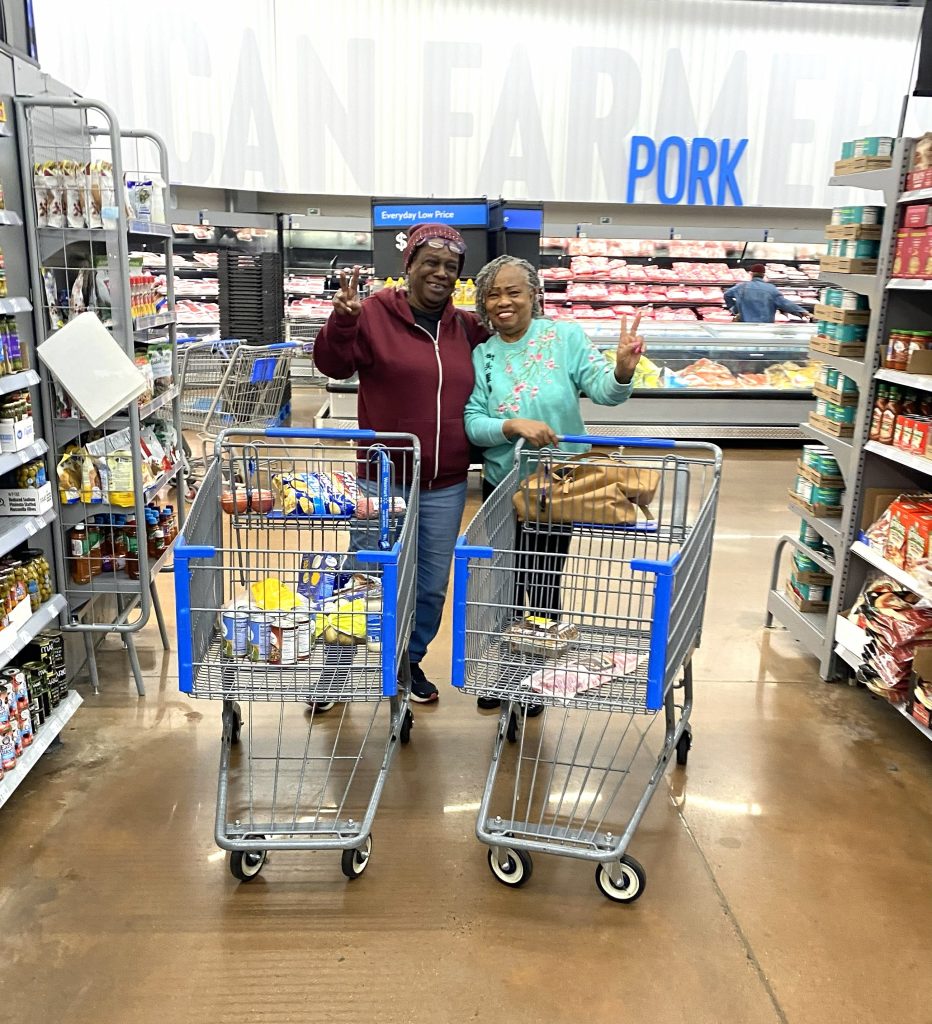
Thanks to Knowledge Quest’s shuttle and Innovate Memphis’ grant from the City of Memphis Division of Housing & Community Development, we jointly launched this grocery rideshare service in January 2026. It wasn’t easy in the beginning. Our organizations had to build community awareness from scratch, test out different trip routing and rider registration processes, and reschedule multiple rides after an enormous winter storm. But by March, we went from 1-4 riders per week to 10-15, exceeding our goals for the initial rideshare phase. In less than six months, we have reached a total ridership of 180 across all weekly trips and passengers.
Early lessons learned and keys to success include:
1) Maintain ongoing communication with participants to make sure they understand the service model and pickup schedule including reminders before each trip
2) Partner with agencies already connected with our service population like senior living complexes that can refer clients for rides and offer wraparound resources
3) Stay flexible based on riders’ experiences and needs. For example, we found that some grocery stores made it easier to redeem riders’ SNAP (food stamp) benefits than others and that riders preferred destinations where they could shop for other items like clothing and household goods. We switched our routes to a location offering all of these resources and have regularly exceeded our ridership goals since that time.
We recognize that one small community rideshare alone will not remove systemic barriers to equitable food and transportation access across Memphis. It will require ongoing, long-term community investment to bring more healthy food options to where residents are and offer frequent, reliable transit service so that no one has to depend on a car to access vital resources or opportunities.
In the meantime, we can bridge some important gaps by continuing to scale up successful, community-driven ride services like this one. As we near Year 2 of the grocery rideshare pilot, we are planning to double the number of rides and residents served in South Memphis. We will also develop a practical implementation toolkit for other organizations interested in delivering this type of rideshare model in their neighborhoods. If you are interested in receiving notifications about the forthcoming toolkit or have ideas for how to scale this service in your community, contact us at info@innovatememphis.com and/or Knowledge Quest at info@knowledgequest.org
©2026 Innovate Memphis. All Rights Reserved
Created by eBiz Solutions.